Feb 17, 2026
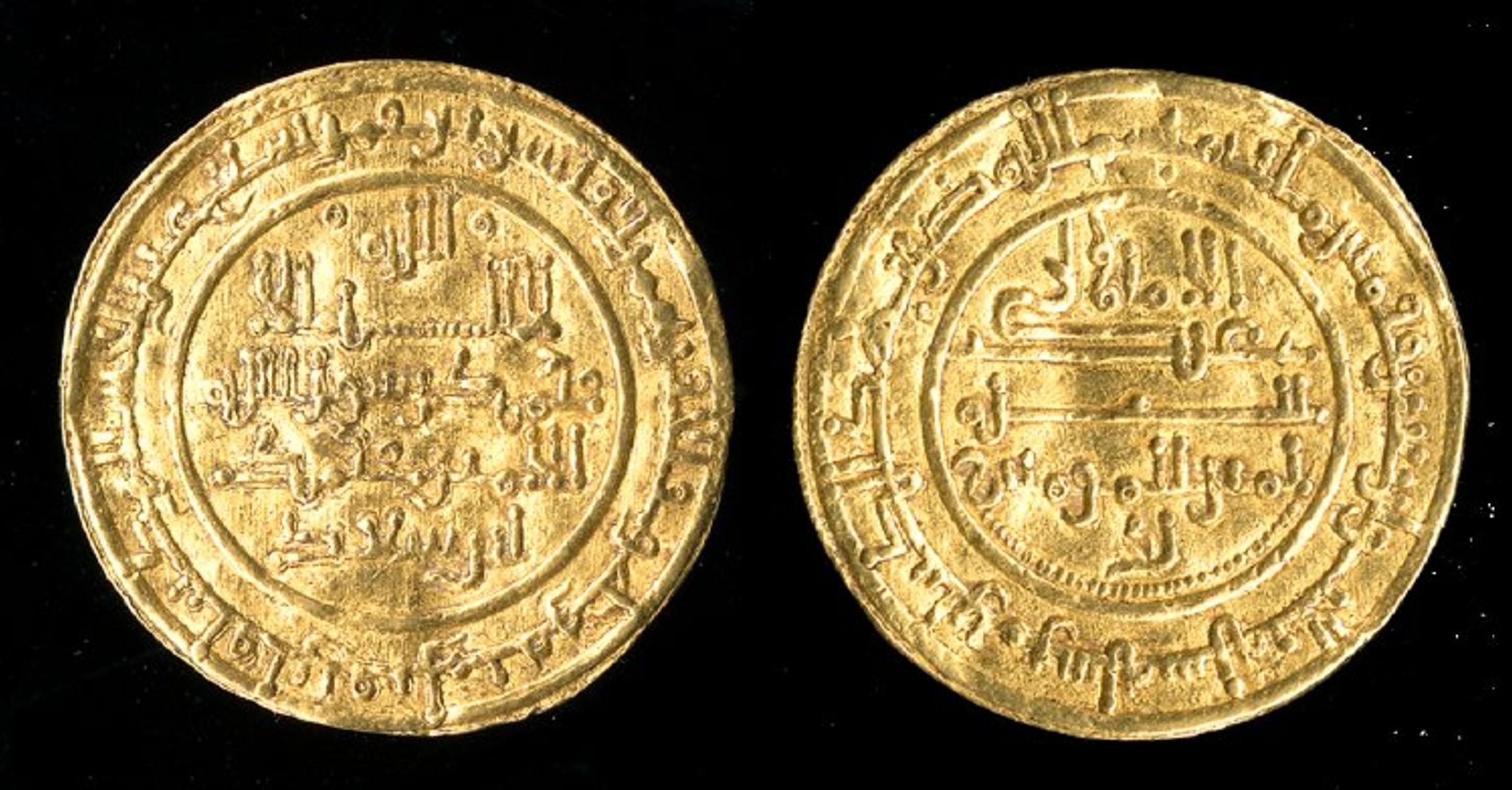
Gold’s role as a store of wealth is not a recent development. Long before modern financial systems existed, gold was already recognized as something rare, valuable, and widely accepted. Across different civilizations and time periods, it has maintained a unique position that very few assets have been able to match. A Metal Unlike Any Other One of the main reasons gold became valuable early in human history is its natural properties. Gold does not rust, corrode, or deteriorate over time. A gold object created thousands of years ago can remain almost unchanged today. It is also rare, but not too rare. Gold exists in limited quantities, which gives it value, yet it is still available enough to be used in trade and storage. In addition, it is easy to shape and divide, making it practical for coins, bars, and other forms of exchange. These characteristics made gold an ideal material for early forms of money. Early Use as Money and Trade Ancient civilizations such as the Egyptians, Greeks, and Romans all used gold in trade and as a symbol of wealth. Gold coins became one of the first standardized forms of currency, allowing people to exchange goods and services with a trusted and widely accepted medium. Because gold was recognized across different regions, it enabled trade between societies that did not share the same local currencies. This international acceptance helped establish gold as a universal form of value. Even as paper money was introduced, many currencies were backed by gold reserves. This connection between gold and money continued for centuries and reinforced its position within the global financial system. Trust Built Over Generations One of the most important aspects of gold’s popularity is trust. Over thousands of years, gold has consistently held value through wars, economic changes, and shifts in political systems. Unlike many other assets, gold is not tied to the performance of a company or the policies of a single government. This independence has made it a reliable form of wealth preservation across generations. Families, institutions, and governments have all relied on gold as a way to store and transfer wealth over time. Gold in the Modern Financial System Although today’s financial system is largely based on fiat currencies, gold continues to play an important role. Central banks still hold gold as part of their reserves, and it remains actively traded in global markets. Investors often turn to gold during periods of uncertainty, inflation, or market volatility. Its long history provides confidence that it can retain value even when other assets are under pressure. Gold is also highly liquid, meaning it can be bought and sold easily in nearly every part of the world. This accessibility adds to its ongoing relevance in modern investment strategies. A Timeless Asset What makes gold unique is not just its physical properties, but the consistency of its value across time. While financial systems, currencies, and markets have evolved, gold has remained a constant. For thousands of years, it has served as a store of wealth, a medium of exchange, and a symbol of financial security. This long-standing role continues to influence how investors view gold today. For many, owning physical gold is not just about short-term price movements, but about holding an asset that has proven its value across generations.
Learn More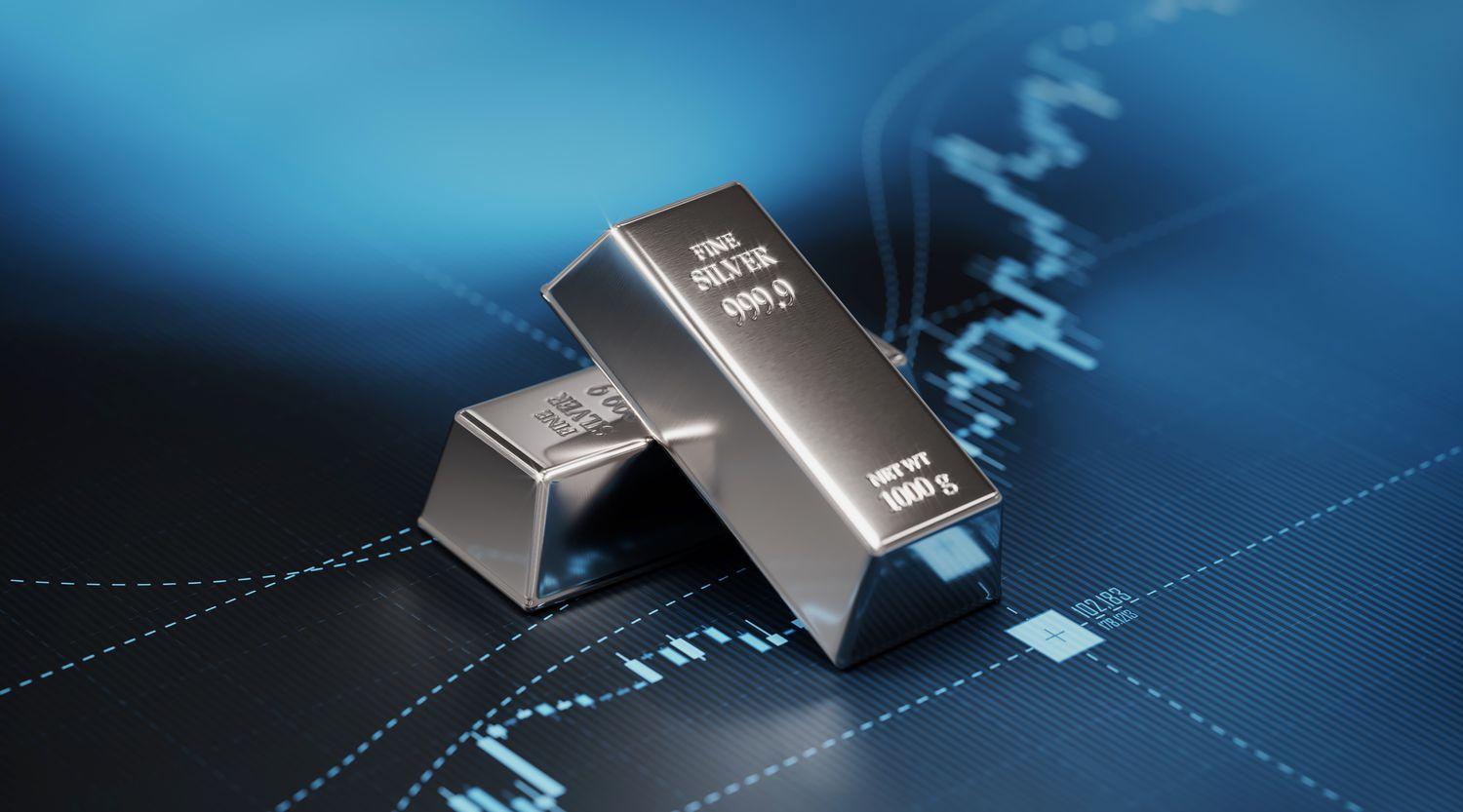
Feb 17, 2026
In recent years, silver has started to attract much more attention from investors. While gold has always been the main focus in the precious metals market, silver is now being looked at more seriously, both for investment and for its role in the global economy. This shift has not happened overnight. It is the result of several factors coming together, including price performance, industrial demand, and changing investor behavior. Strong Price Movement One of the main reasons silver has gained attention is its recent price performance. Silver has seen strong upward moves, especially during periods when market conditions become more uncertain. When prices start moving, interest usually follows. Investors who may not have paid much attention to silver before begin to take a closer look, and this often brings new demand into the market. Silver is also known for moving faster than gold. When the market turns positive, silver can deliver stronger percentage gains, which makes it attractive for investors looking for growth. Growing Interest from Investors There has been a noticeable increase in interest from retail investors. Many people are looking for ways to diversify their holdings and reduce exposure to traditional financial markets. Silver offers a relatively accessible entry point compared to gold. Investors can start with smaller amounts and gradually build their position over time. This makes it appealing to both new investors and those who want to expand their precious metals holdings. Physical silver bars and coins have seen steady demand as more investors prefer owning a tangible asset rather than relying only on financial instruments. Industrial Demand Supporting the Market Silver is not only an investment asset. It also plays an important role in several industries. It is used in electronics, solar panels, electric vehicles, and other modern technologies. As these industries continue to grow, demand for silver remains strong. This creates an additional layer of support for the market that gold does not have to the same extent. Because of this, silver is influenced by both investment demand and industrial activity. This combination makes its market behavior different and often more dynamic. Supply and Availability Another factor that has supported silver’s rise is the supply side. In recent years, demand has at times been stronger than available supply. When this happens, it can create upward pressure on prices. Limited supply combined with steady demand tends to attract more attention from investors, especially those who follow market trends closely. A Changing Role for Silver Silver is no longer seen only as a secondary metal to gold. More investors now consider it as an important part of a balanced portfolio. Some are attracted to its potential for higher returns, while others value its connection to industrial growth. At the same time, its price movements can be more volatile, so it is often held alongside gold rather than as a replacement. A Market Back in Focus The renewed interest in silver reflects a broader shift in the market. Investors are looking for assets that offer both growth potential and real-world demand. With strong industrial use, increasing investment interest, and active price movement, silver has moved back into focus as a serious investment. For many investors today, silver is not just an alternative to gold. It has become an asset worth holding in its own right.
Learn More